
Title Insurance Company Business Plan – A Comprehensive Guide
Introduction
Title insurance is an essential component of real estate transactions. It protects all parties. The Title Insurance Company Business Plan is a comprehensive guide for entrepreneurs who want to get into the title insurance business. This plan covers all aspects of starting and running an insurance company.
The Importance Of Title Insurance
Title insurance protects the lender, owner, and all other interested parties against financial loss from defects in the title to real property. This includes errors in public records, undisclosed inheritors, liens or encumbrances. Without title insurance, buyers could inherit expensive legal issues that could lead to lost time, money, or property.
The Target Market
A title insurance company’s target market includes anyone involved in real estate transactions. This includes buyers, sellers and lenders as well as real estate agents. To generate business and referrals, it is important to build relationships with real estate professionals.
Business Model
A typical business model for a title insurer company is to collect a one-time premium on each policy. The property insured is the basis of the premium. You can also offer related services like title searches, closings, or escrow services to generate additional revenue.
Marketing Strategy
A title insurance company’s marketing strategy should be focused on building relationships with real estate professionals and establishing trust. Potential customers can be reached through networking events, sponsorships, or online advertising. It is important to establish a strong online presence via a professional website as well as social media platforms.
Management Team
A title insurance company’s management team should include people with experience in business, law and real estate. The CEO, chief underwriter, and CFO are key roles. The management team is responsible for overseeing operations, marketing, and underwriting policies.
Financial Projections
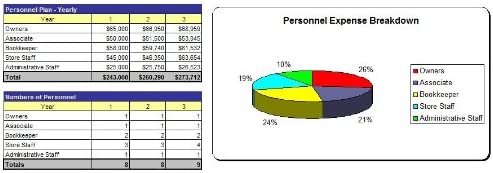
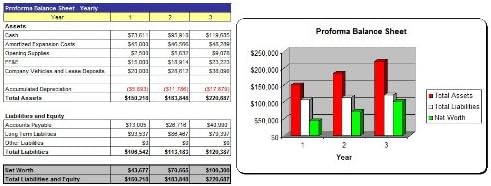
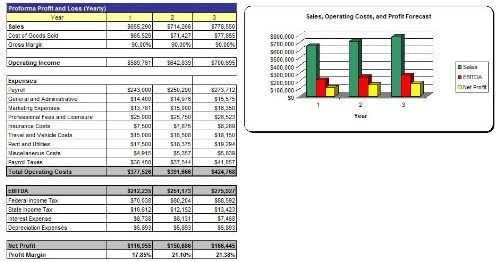
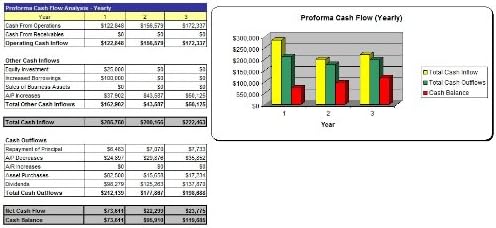
Financial projections for a title insurer company should include estimates of startup costs, revenue, as well as expenses. It is important to do market research to establish realistic revenue projections. Also, it is important to create a comprehensive business plan that includes contingency planning for unexpected expenses.
Risks and challenges

The title insurance industry has high regulations and carries significant risk. Unresolved liens and other defects can lead to costly claims and legal battles. It is important to have a strong underwriting process in place and to set high standards for policy issuance.
Competition
The industry of title insurance is highly competitive. There are many players in the market. It is important to distinguish your business by offering superior service, competitive pricing, innovative products, and differentiation. Additional services like closings or escrow can help to differentiate the business from its competitors.
Technology
Technology plays an increasing role in the title insurance business. Online platforms for ordering policies or conducting closings are growing in popularity. A title insurance company must keep up-to-date on the latest technology trends, and invest in technology that will improve efficiency and customer services.
Industry Trends
Consolidation and adoption of technology are two key industry trends in title insurance. Larger companies are buying smaller companies. There is also a growing trend to digital platforms for ordering policies or conducting closings.
Customer Service
The success of the title insurance industry depends on customer service. Customers expect prompt, accurate service. Any delays or errors can lead to lost business and damage of the company’s reputation. Customer satisfaction can be ensured by investing in customer service training and monitoring performance.
Regulations and licensing
The title insurance industry, which is highly regulated, requires licensing in all 50 states. It is important that you research and adhere to all applicable federal regulations. There are many licensing requirements that vary from one state to the next. These may include requirements for education and experience, as well continuing education.
Operational Challenges
It can be difficult and complex to manage a title insurance company’s day-to-day operations. It is important to consider staffing. Title examiners and underwriters may be required, as well as other professionals with specialized skills. Management of underwriting and mitigating risks can be time-consuming and require high levels of expertise.
The Importance Of Experienced Leaders
Experienced leaders can make a difference in a title company. The CEO and other key executives need to have extensive industry experience and be familiar with managing operations, underwriting policies, and navigating regulatory landscapes.
Offering value-added services
A title insurance company can differentiate itself from its competitors by offering value-added services. Offering escrow services, for example, can streamline the closing process and give clients additional peace of mind.
Investing in Advanced Technology
Investing in technology can improve efficiency and customer experience. Online platforms for ordering policies or conducting closings can help save time and reduce errors.
Building a strong culture
A strong culture can foster employee loyalty and increase customer satisfaction. Positive work environments can be created by encouraging open communication, encouraging team-building activities, and recognising employee achievements.
Managing Risk Effectively
In the title insurance industry, it is crucial to manage risk effectively. This means that you need to establish strict underwriting guidelines, monitor claims closely, and have a strong balance sheet in place to handle any losses.
Innovation is essential
In the title insurance industry, innovation is becoming more important. Companies that are able to adapt to changing customer requirements and use advanced technology are more likely long-term to succeed.
Effective Marketing Strategies
In the title insurance industry, it is essential to have effective marketing strategies. It is possible to generate business by establishing relationships with real estate professionals, investing online advertising, and participating at community events.
Diversification has many benefits
Diversification can help reduce risk and generate additional revenue streams for title insurance companies. Customers can benefit from additional services like closings or escrow services.
Key Metrics to Success
The key metrics that will determine success in the title industry are customer satisfaction, policy issuance rates, and claims-to–policy ratio. These metrics can be closely monitored to identify areas for improvement and foster continuous improvement.
The Importance Of Ongoing Education

In the title insurance industry, it is important to continue your education. A company’s long-term success can be aided by staying current with the latest regulations and technologies.
The Role of Ethics in Business
Title insurance is a business that values ethics. Honesty, transparency and a commitment towards doing the right thing can build trust and position a company to succeed over time.
Conclusion
It takes careful planning, strategic thinking, as well as a commitment to exceptional customer service, to start a title insurance business. This business plan will help entrepreneurs position themselves for success within this dynamic and competitive industry.
About Author

![Amazon.com: Band-in-a-Box 2019 Pro for Mac [Old Version]](https://www.coupondealsone.com/wp-content/uploads/2024/04/2O6e4Cw25Z6a.jpg) Band in a Box 2019 Flash Drive Review
Band in a Box 2019 Flash Drive Review 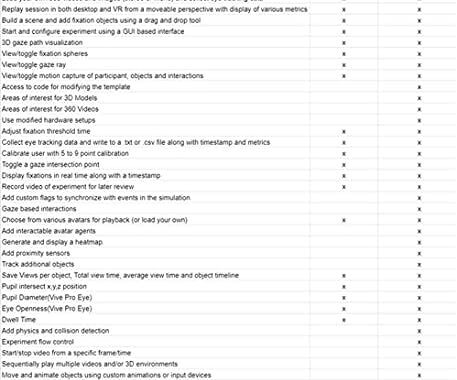 WorldViz SightLab Tracking Software Omnicept Review
  Math ACE Jr. Review: A Must-Have Learning Tool for Kids Ages 4-8
  Review of Image Line Software Studio Signature Bundle
 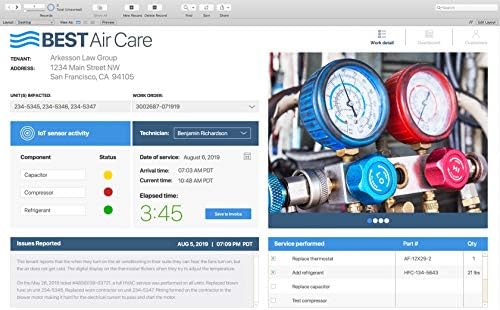 FileMaker Pro Advanced Review
 ![Amazon.com: Punch! ViaCAD 2D/3D v12- For Mac [Mac Download] : Software](https://www.coupondealsone.com/wp-content/uploads/2024/04/YBusi9QdX6E2.jpg) ViaCAD v12 for Mac Review
ViaCAD v12 for Mac Review  Elevate Your Baking with the Stylish and Powerful Drew Barrymore 5.3-Quart Stand Mixer
  Review of the Sterilizer Charging Wireless Certified Sanitizer
  DESTEK VR Controller Review